

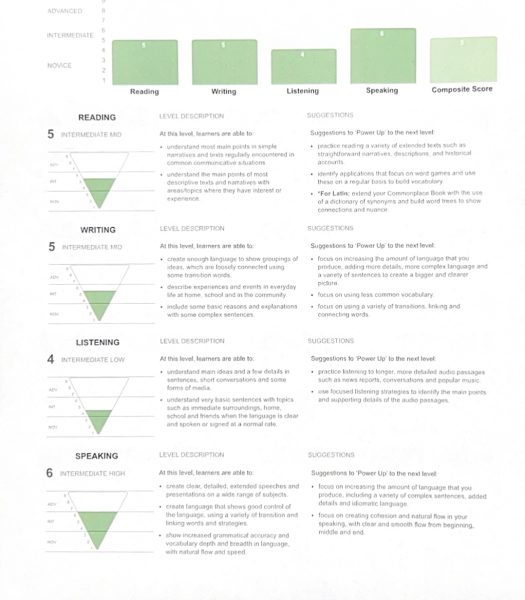
This year, D303 made the executive decision to switch the format of the Seal of Biliteracy test. In past years, students have used a different testing format, the Assessment of Performance toward Proficiency in Languages (AAPPL) test; however, this year, students will switch to the Standard Measure of Proficiency (STAMP 4-S) test.
Started in 2008, the Seal of Biliteracy test allows students to receive and transfer college credit for demonstrating high proficiency in either their native language or a foreign language of their choice. The award aims to encourage the study of languages, honor foreign language skills, and can sometimes lead to increased benefits within the workforce. According to data released by the Seal of Biliteracy website, in 2023, only about 55,475 students obtained the Seal successfully, making the award a valuable credential.
In past years, D303 has stuck to the AAPPL testing format, which required students to take all four reading, listening, writing and speaking tests and score a minimum of an intermediate 5 (I-5) to receive credit. The AAPPL test used a proficiency-based scale ranging from N-1 (novice low) to A-1 (advanced low) and provided individual scores for all four test components. The score report also included a narrative explanation and recommendations for improvement.
While AAPPL holds advanced test features, debates about the grading process have recently resurfaced, leaving many test takers upset with their results. As a result of this frustration with the AAPPL format, D303 chose to switch to the STAMP 4-S assessment. STAMP 4-S is computer-adaptive, meaning it adjusts to the test-taker’s level in real-time, allowing for a more customized assessment, whereas AAPPL generally presents the same fixed set of prompts to all students and does not change difficulty. Similar to the previous test format, this test consists of the same four sections: reading, writing, listening and speaking. While both tests are popular for the Seal of Biliteracy, STAMP 4-S is often chosen for its ability to accurately measure higher proficiency levels and for high engagement levels due to its adaptive nature. Each test taker is able to follow a unique path as they move through the exam.
Along with D303, other schools nationwide have reported similar issues with the AAPPL test, too. Critics of the AAPPL test often voice that it’s a long, stressful, sometimes inaccurate test when measuring language proficiency, and does not accurately reflect student ability. Issues surrounding the test design also increased, as people reported that the prompts were misleading, confusing or included poor-quality information.
More information about the STAMP 4-S test can be found on the East Seal of Biliteracy Google site, accessed through the East website.


